What I Learned About Interdisciplinary Computing and Why It Matters for Society
Over the past two weeks, I have been deeply exploring the world of Interdisciplinary Computing. While the name may sound technical, the concept is surprisingly human.
At its core, interdisciplinary computing is about bringing together technology, design, health, education, ethics, and human behavior to solve real-world problems. Instead of asking, “What technology can we build?” it asks, “How can technology improve people’s lives?“
This shift in thinking has changed how I view digital products and innovation.
Technology Alone Is Not Enough
Many people think innovation comes from advanced technology, artificial intelligence, or complex software. These tools are important, but they are only part of the solution.
Real impact happens when technology is combined with human understanding.
Recent research in digital health and educational technology highlights the importance of combining technology with ethics, accessibility, health literacy, inclusion, and real-world problem-solving. Experts increasingly emphasize collaboration across fields such as design, health, education, policy, and computer science to create solutions that are both innovative and socially responsible.
Through my learning, I explored several key areas:
- Human-AI Interaction
- Accessibility
- Inclusive Design
- Digital Health
- Educational Technology (EdTech)
- Responsible AI
Although these topics may seem different, they share a common goal: improving human experiences through technology.
A Personal Connection: Embrace Different
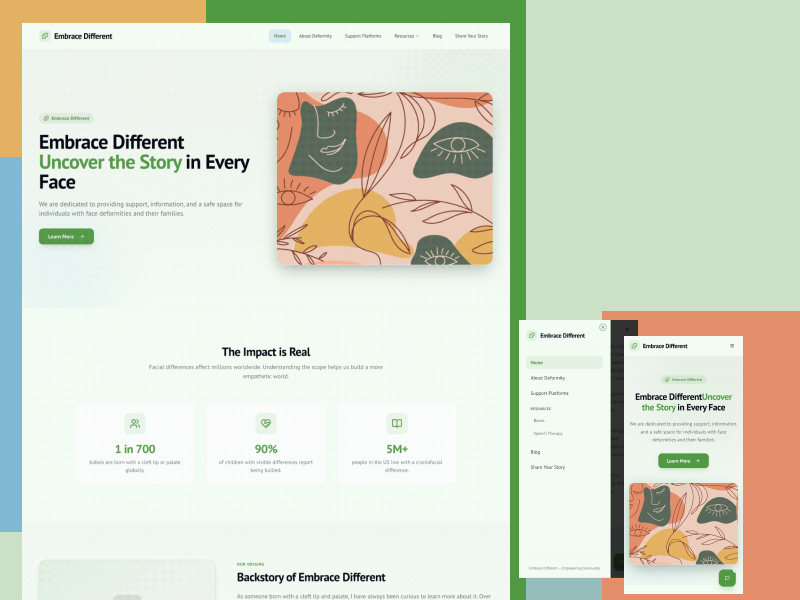
One reason this learning felt meaningful is that it connects deeply with my personal journey.
As someone born with a cleft lip and palate, I understand how communication challenges, accessibility barriers, and social perceptions can affect confidence and opportunities.
This experience inspired me to create Embrace Different, a project focused on supporting people with facial differences and helping build a more inclusive world.
The project combines storytelling, community support, digital resources, and technology to create awareness and empowerment.
While exploring interdisciplinary computing, I realized that Embrace Different is not just a website. It sits at the intersection of multiple disciplines:
- Technology
- Accessibility
- Education
- Communication
- Psychology
- Community Building
That is exactly what interdisciplinary thinking is about.
Giving People a Voice Through Speak Easy
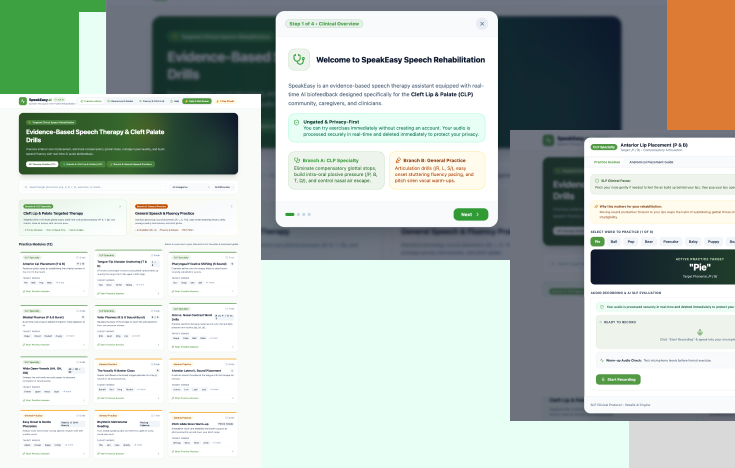
Another project that reflects this approach is Speak Easy.
Speak Easy was inspired by my own experiences with speech and communication challenges related to cleft lip and palate.
The goal is simple:
Help people build communication confidence through accessible and supportive digital experiences.
The project explores how AI, accessibility principles, learning design, and user-centered product thinking can work together to support speech practice and personal growth.
Research in digital accessibility shows that people benefit most when accessibility is considered from the beginning of the design process rather than being added later. Inclusive and accessible technologies can improve participation, learning, engagement, and overall quality of life.
For me, Speak Easy demonstrates how technology can be used not only to solve functional problems but also to support confidence, inclusion, and human potential.
Learning and Adoption: Lessons from TestTactix
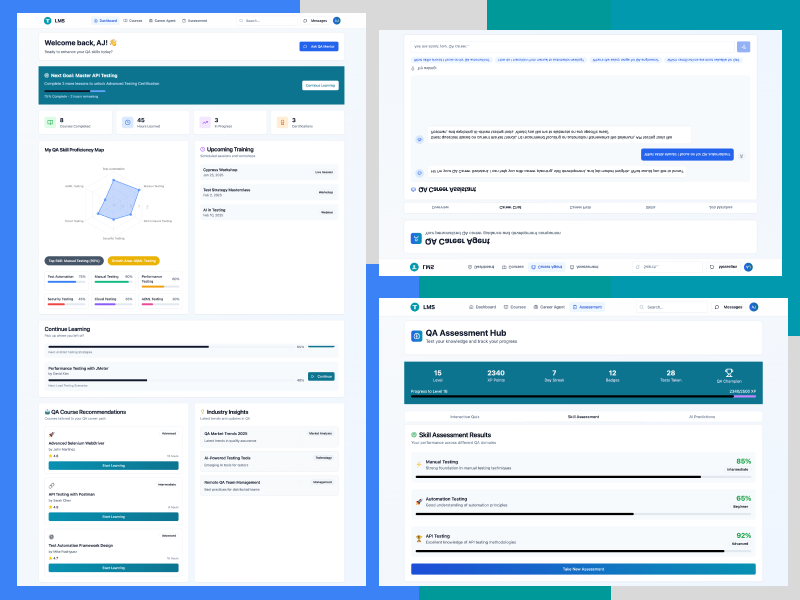
Interdisciplinary thinking is equally important in professional environments.
While working on TestTactix, our team focused on improving learning experiences and product adoption.
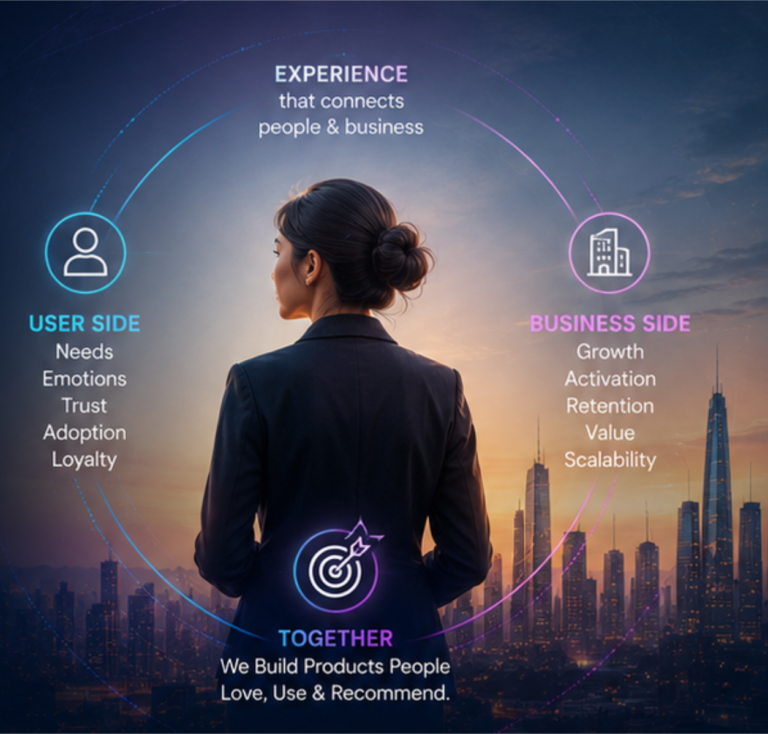
One important lesson was that successful digital transformation is not only about delivering features.
People must understand the product.
They must trust it.
They must see value in it.
And they must be supported throughout their learning journey.
This is where product design, user experience, learning science, analytics, communication, and behavioral psychology come together.
By improving onboarding and learning experiences, we were able to help increase engagement, completion, and retention.
This reinforced a valuable insight:
People do not adopt products because features exist.
People adopt products because those features help them achieve meaningful outcomes.
The Future Requires Human-Centered Technology
Across digital health, education, accessibility, and artificial intelligence, one message consistently appears:
The future belongs to solutions that are inclusive, ethical, accessible, and human-centered.
Technology should not be designed only for efficiency.
It should help people learn.
It should help people communicate.
It should improve health and wellbeing.
It should reduce barriers.
It should create opportunities.
Most importantly, it should serve humanity.
Final Reflection
The biggest lesson I learned over the past two weeks is that meaningful innovation happens when we stop looking at problems through a single lens.
Technology alone cannot solve complex challenges.
But when technology is combined with design, education, health, accessibility, ethics, and human understanding, it becomes a powerful force for positive change.
Whether through Embrace Different, Speak Easy, TestTactix, or future projects, I hope to continue exploring how interdisciplinary thinking can create digital experiences that are not only useful but also meaningful, inclusive, and impactful.
Because at the end of the day, the most valuable technology is not the technology we build.
It is the lives we improve through it.
#InterdisciplinaryComputing #HumanCenteredDesign #Accessibility #InclusiveDesign #DigitalHealth #EdTech #ResponsibleAI #ProductDesign #UX #AIForGood #EmbraceDifferent #SpeakEasy #TestTactix