How a Product Experience Audit Uncovered Adoption Barriers and Growth Opportunities for a Speech Therapy App
Is the product simply usable — or is it actually helping users reach value and continue using it?
When people think about product success, they often focus on features, design, or technology. However, for products serving specialized communities, success depends on something deeper: helping users achieve value quickly, confidently, and repeatedly.
Client/Product: Speak Easy AI
Industry: HealthTech / Speech Therapy
Role: Product Experience & Adoption Strategist
Frameworks: ASCEND™ Product Experience Framework & Adoptify™ Adoption Framework
Focus Areas: UX, Onboarding, Learning Experience Design (LXD), Adoption, Retention, Growth
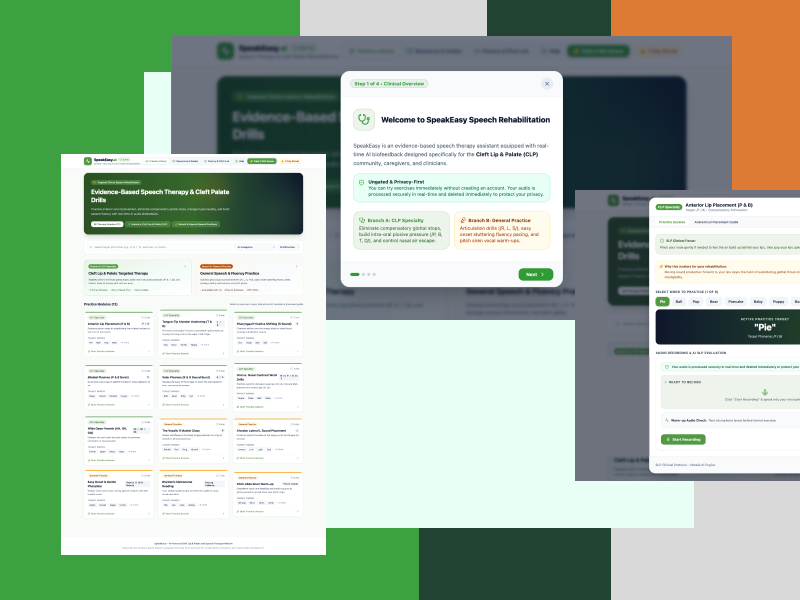
Speak Easy is an AI-powered speech practice platform designed to support individuals with Cleft Lip and Palate (CLP) and others seeking to improve their speech. While the product offered a meaningful mission and innovative technology, an adoption-focused product audit revealed several experience gaps that could prevent users from reaching their first success moment.
Using the ASCEND™ & Adoptify Product Experience & Adoptify™ Adoption Frameworks, I conducted a comprehensive audit to evaluate how effectively the product guided users from awareness to activation, engagement, and long-term retention.
The Challenge
Speak Easy is an AI-powered speech practice platform designed to help individuals improve pronunciation and communication skills, particularly users with Cleft Lip and Palate (CLP). While the platform had a meaningful mission and functional features, several adoption barriers limited user success. The product’s core functionality worked well, but several experience gaps limited user adoption.
Key challenges included:
- Users encountering friction before experiencing product value.
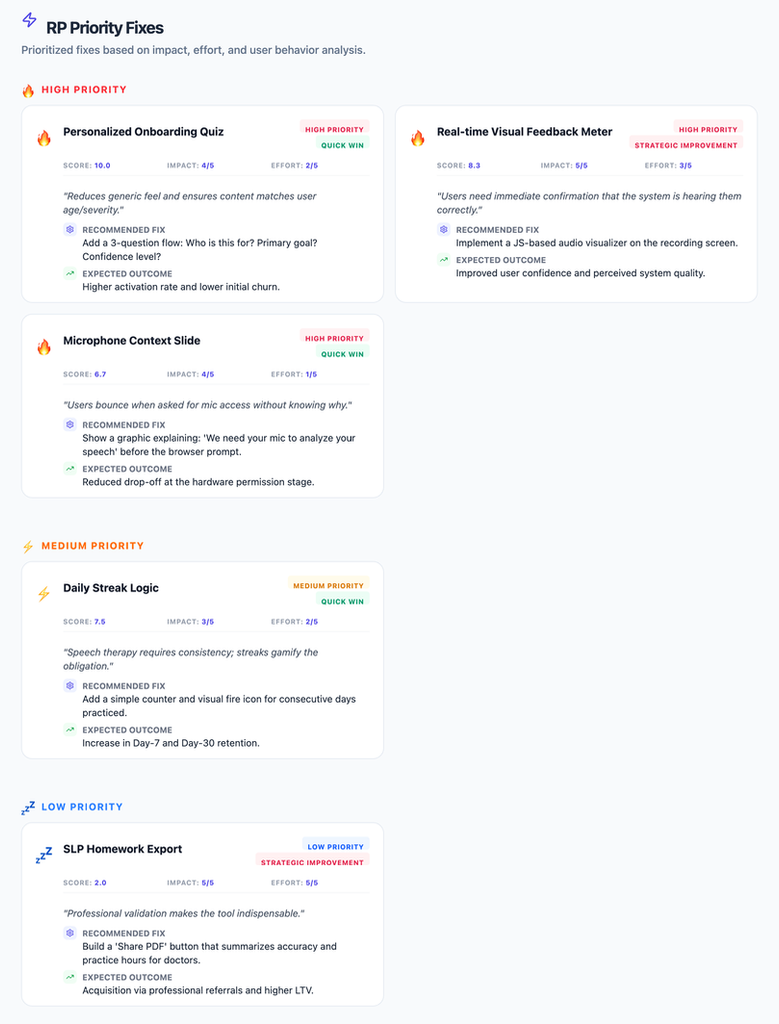
- Limited onboarding guidance for first-time users.
- Generic error handling that reduced confidence during speech practice.
- Lack of progress visibility and motivational mechanisms.
- Missing habit-building features to encourage ongoing engagement.
As a result, users could struggle to reach their first success moment and establish a consistent practice routine.
What Was Done
Using the ASCEND™ & Adoptify Product Experience & Adoption Frameworks, I conducted a comprehensive product audit focused on activation, adoption, and retention rather than usability alone.
ASCEND™ Product Experience Framework
Evaluated the experience through:
- Activation
- Simplicity
- Clarity
- Enablement
- Nudging
- Data Signals
Adoptify™ Adoption Framework
Mapped the user journey through:
Discover → Try → Understand → Use → Repeat → Adopt → Advocate
This helped identify where users experienced friction before becoming long-term users.
Before: Experience & Adoption Snapshot
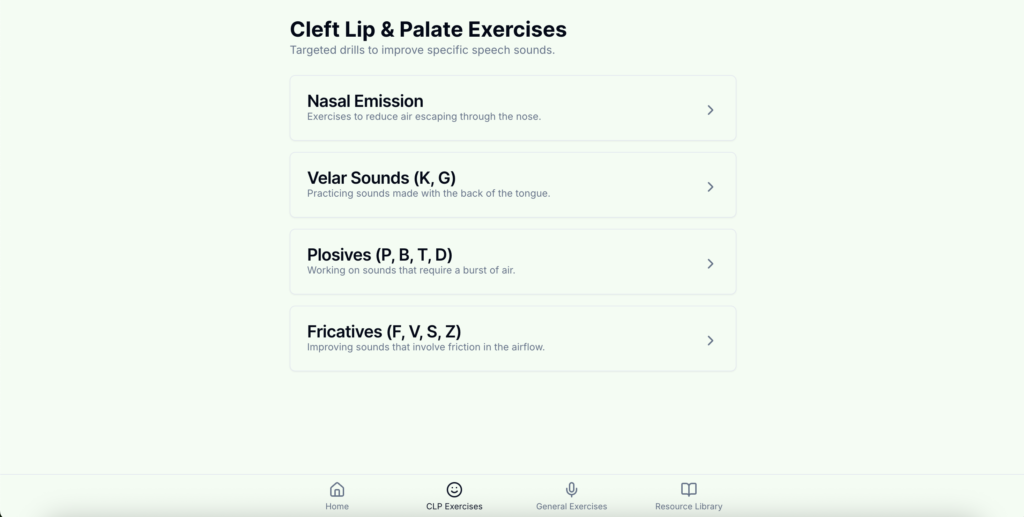
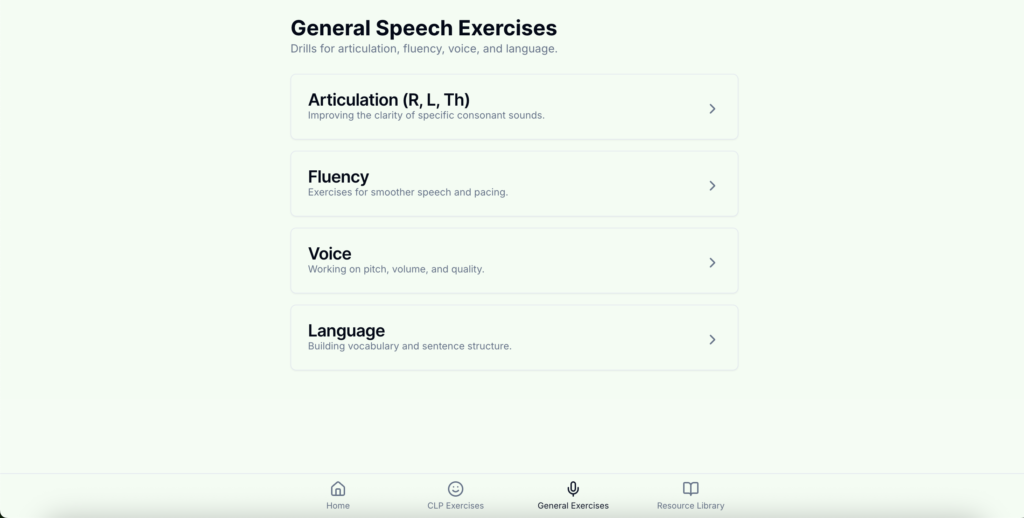
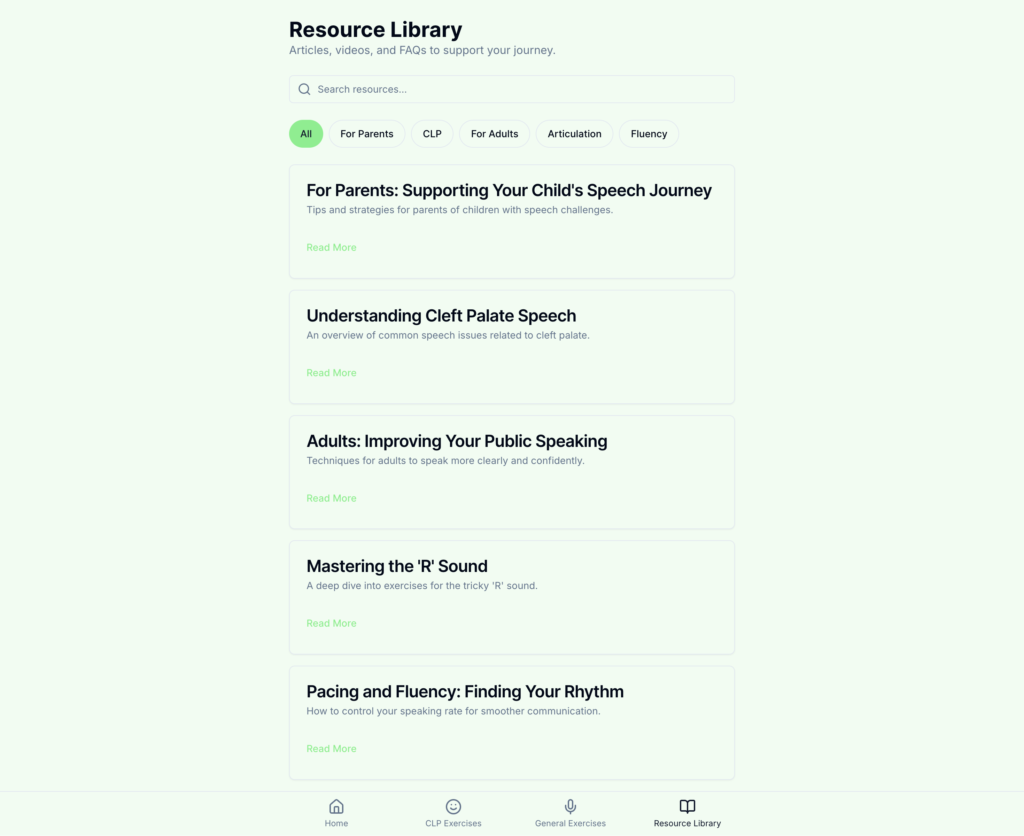
Using ASCEND™ and Adoptify™, the entire customer journey was evaluated:
Awareness → Onboarding → First Value → Activation → Feature Adoption → Engagement→ Retention → Advocate
- Initial experience score stood at 48/100 (Overall Adoption Score).
- Clinical, cold UI lacked emotional comfort for children and parents.
- Static screens during audio recording created a “silence gap” and user anxiety
- Fragmented navigation separated practice modules from progress metrics.
- Mandatory microphone permission checks and account registration occurred upfront.
- Calibration requested complex spoken phrases too early.
- Absence of a guided onboarding flow to warm up first-time users.
- Opaque AI evaluation feedback with generic scores caused uncertainty.
- Empty-state dashboards acted as dead ends post-login.
- Key capabilities (like phonetic targets and milestone badges) remained underutilized or hidden.
- Nudging score was constrained at 30% and Enablement at 40%
- Heavy drop-offs occurred due to a lack of immediate feedback loops and retention mechanics.
Audit Findings
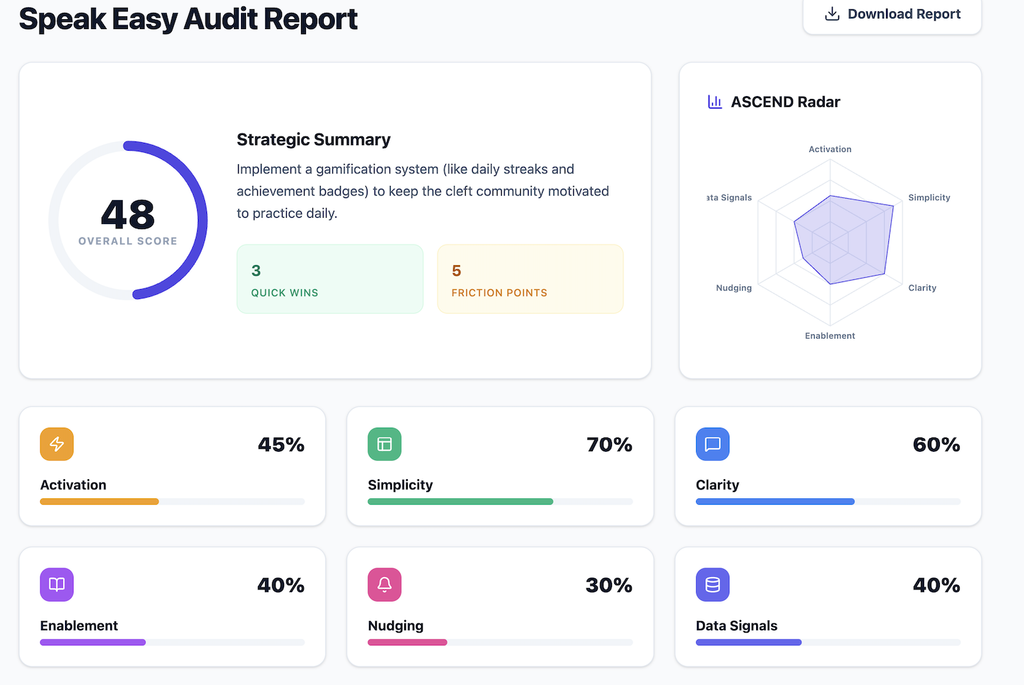
- Value Proposition Was Not Immediately Visible – Users could access the platform but were not clearly guided toward the primary value. As a result, first-session confidence was lower than necessary.
- No Guided Path to First Success – The platform provided tools but not a guided journey. The user had to decide where to start, which activity to choose, and what success looked like. This increased cognitive effort during onboarding.
- Feature Discovery Relied On Exploration – Several valuable capabilities existed but lacked visibility. Example: practice activities and learning resources. Users often discovered these accidentally rather than intentionally.
- Limited Adoption Progression – The platform did not clearly move users through: New User → Active User → Confident User → Habit User. As a result, long-term engagement opportunities were reduced.
- Time-To-Value Was Longer Than Necessary – Users often needed multiple interactions before experiencing meaningful value. This increased abandonment risk during early sessions.
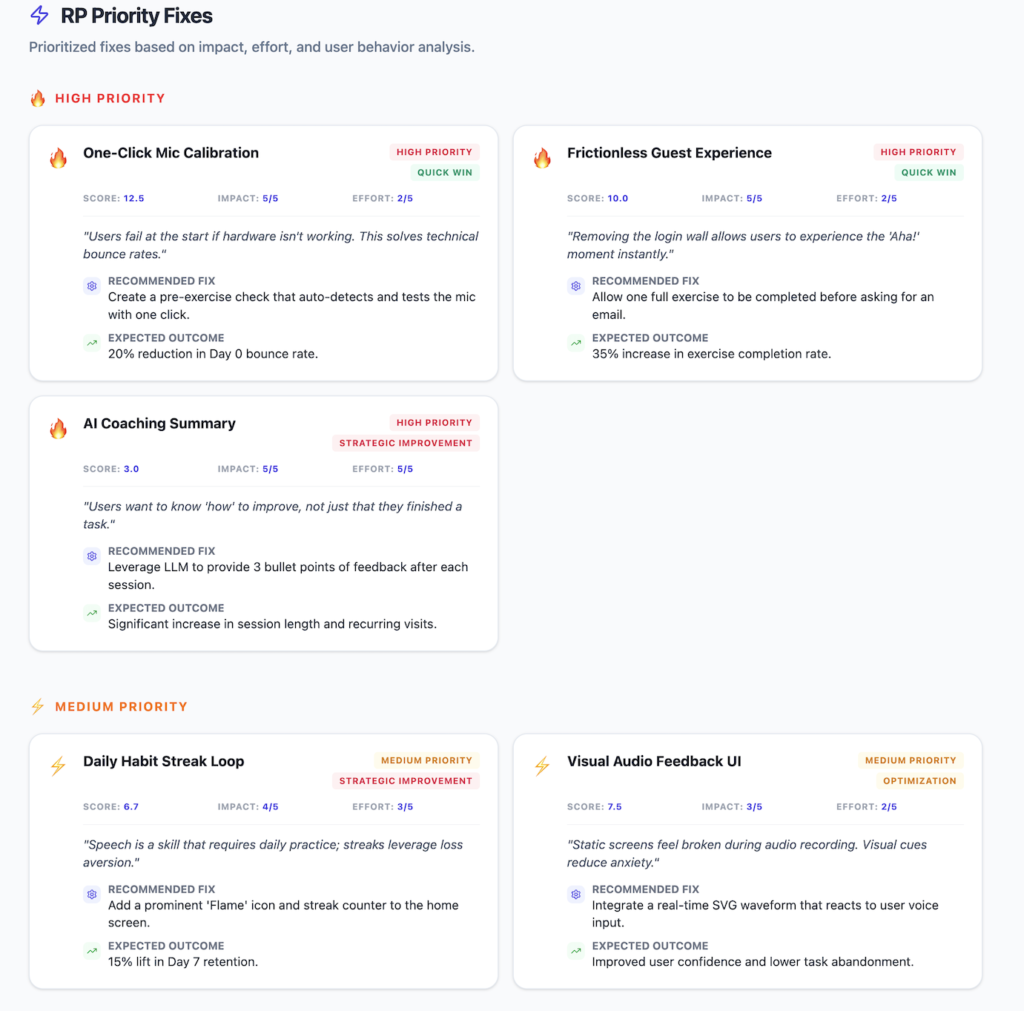
After: Experience & Adoption Snapshot
From UX Improvement → Adoption System
The audit recommendation was not simply a redesign. The objective was to create an integrated adoption experience.
Before
Feature → User explores →
Possible value
After
User Goal → Guided Journey →
Learn → Practice → Experience Improvement → Adopt → Return
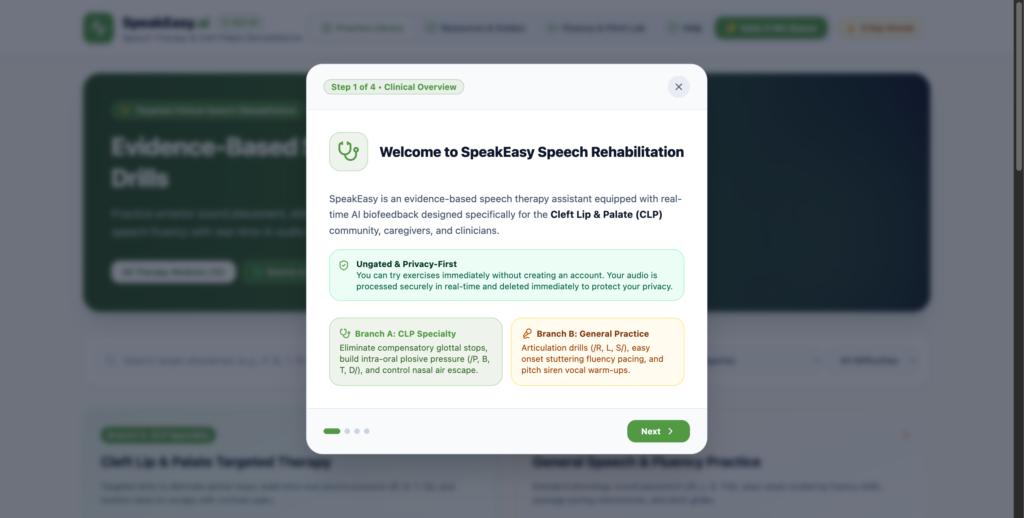
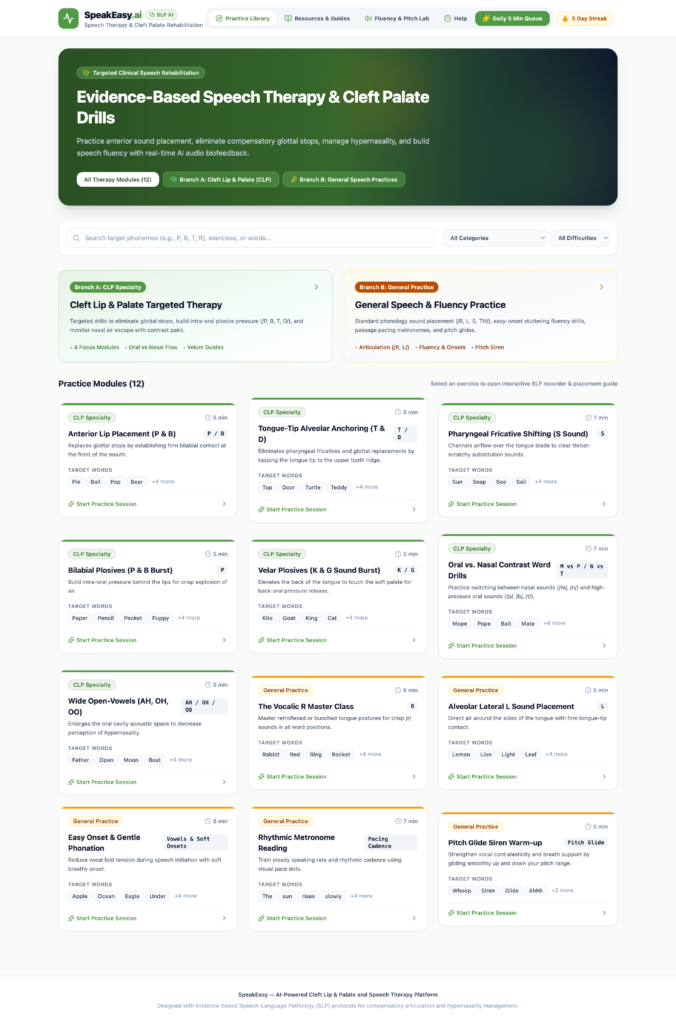
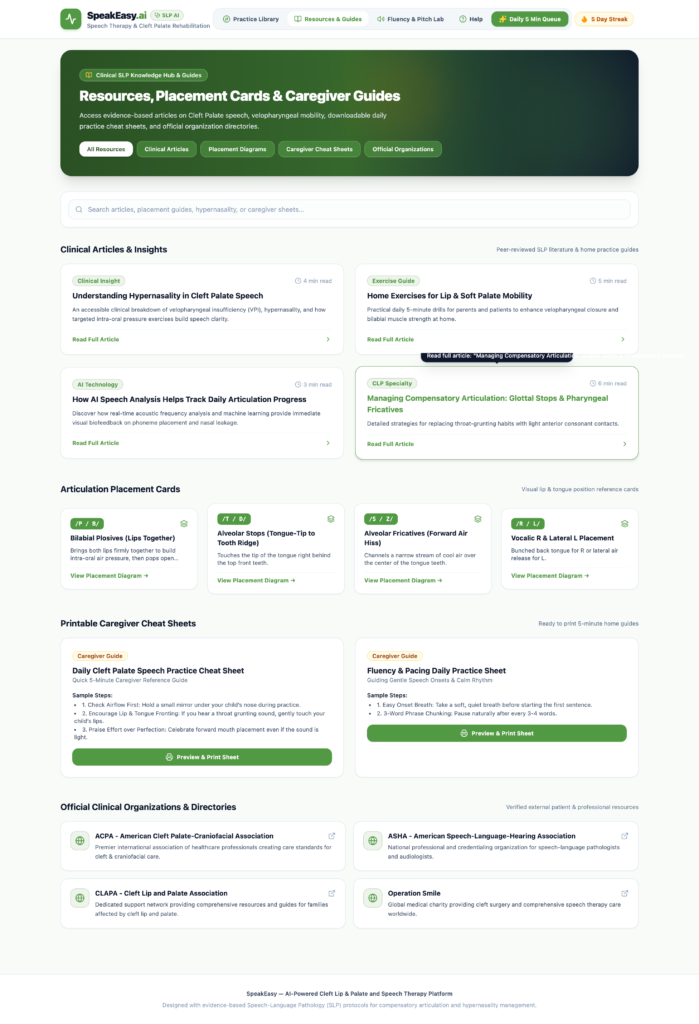
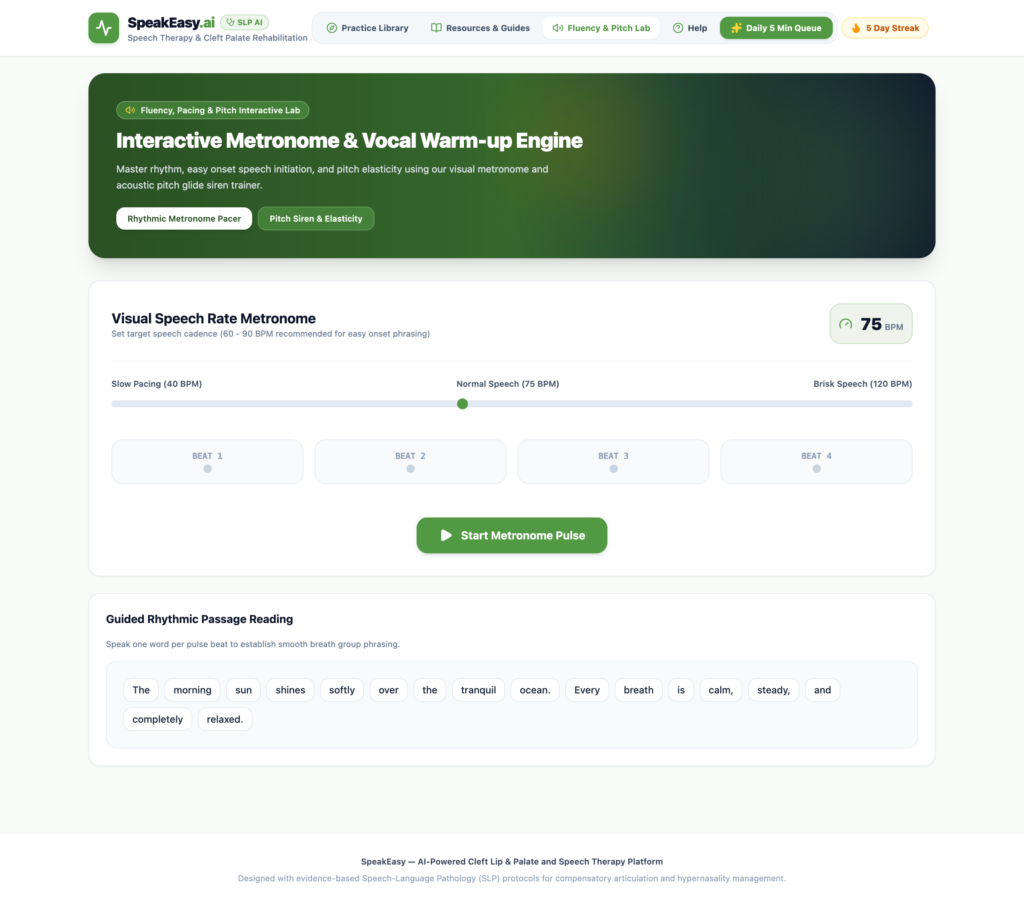
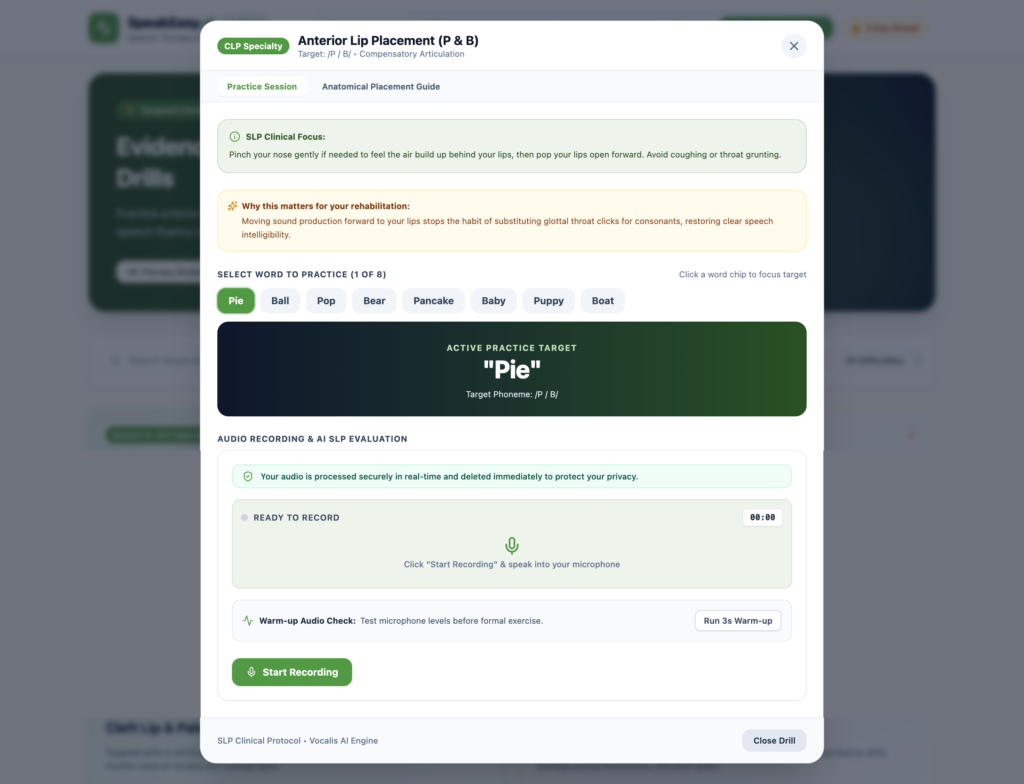
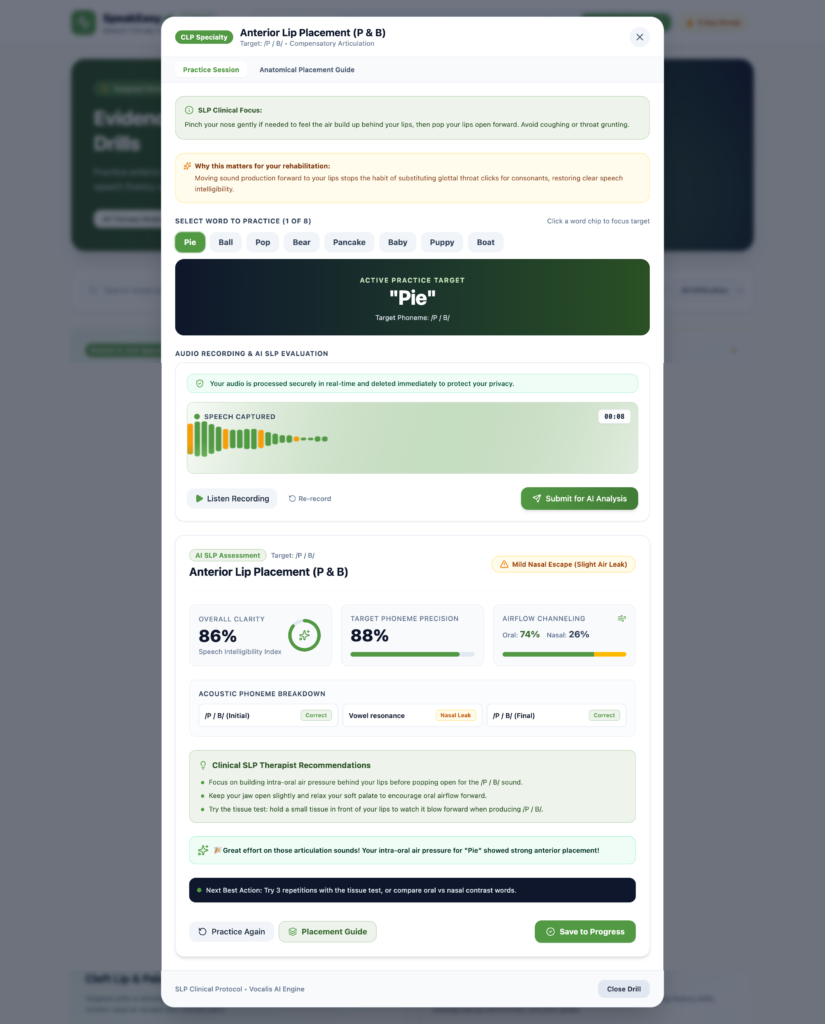
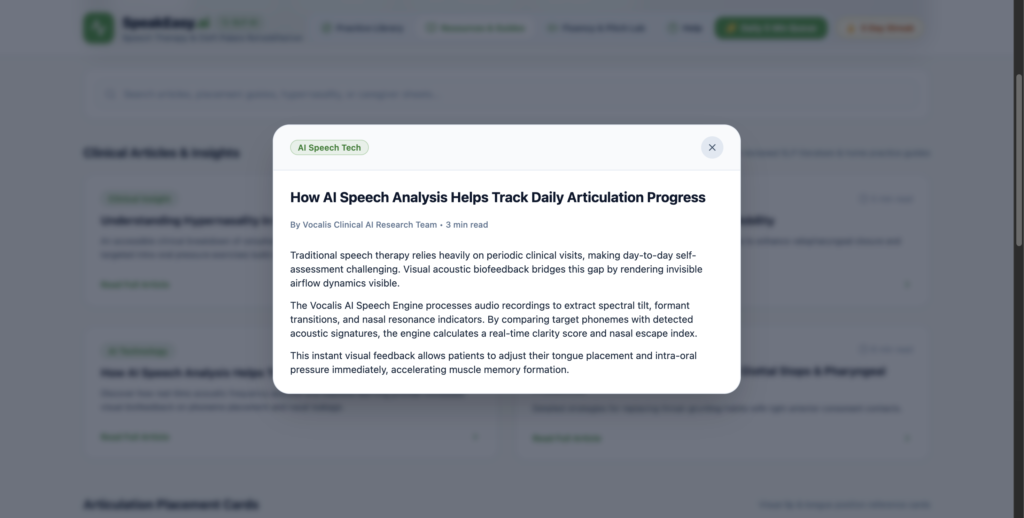
The redesigned experience focused on helping users achieve success faster.
Before
- Feature-focused interface
- Multiple competing actions
- Generic onboarding
- Hidden features
- Reactive help
- Limited progress visibility
- Longer time-to-value
After
- Goal-focused experience
- Clear primary action
- Personalized onboarding
- Guided discovery
- Contextual guidance
- Progress-centered experience
- Faster first success
- Landing & Intent: Immediate option to “Try a Quick Exercise” (No login)
- Interactive Hardware Check: Fun ‘bubble-pop’ mic test verifying audio input.
- First Action: Simple single-vowel prompt rather than complex sentences.
- Magic Moment: Instant visual phonics validation within 30 seconds.
- In-line Tooltips: Explanations clarifying ‘Clarity’ vs ‘Fluency’ metrics.
Key Metric: Time-to-Value (TTV) reduced to under 30 seconds.
- Discover: Test-drive practice without registration barriers.
- Try: Complete a 1-minute single-phoneme exercise.
- Understand: Receive visual articulation tips on sound production.
- Adopt: Progressive difficulty scaling based on recent session history.
- Experience: Reduce friction → Improve confidence
- Adoption: Improve onboarding → Increase activation →Increase feature adoption
- Engagement: Meaningful therapy experiences → Repeat usage
- Retention: Visible progress → Long-term commitment
- Growth: Successful users → Advocacy and referrals
Audit Findings
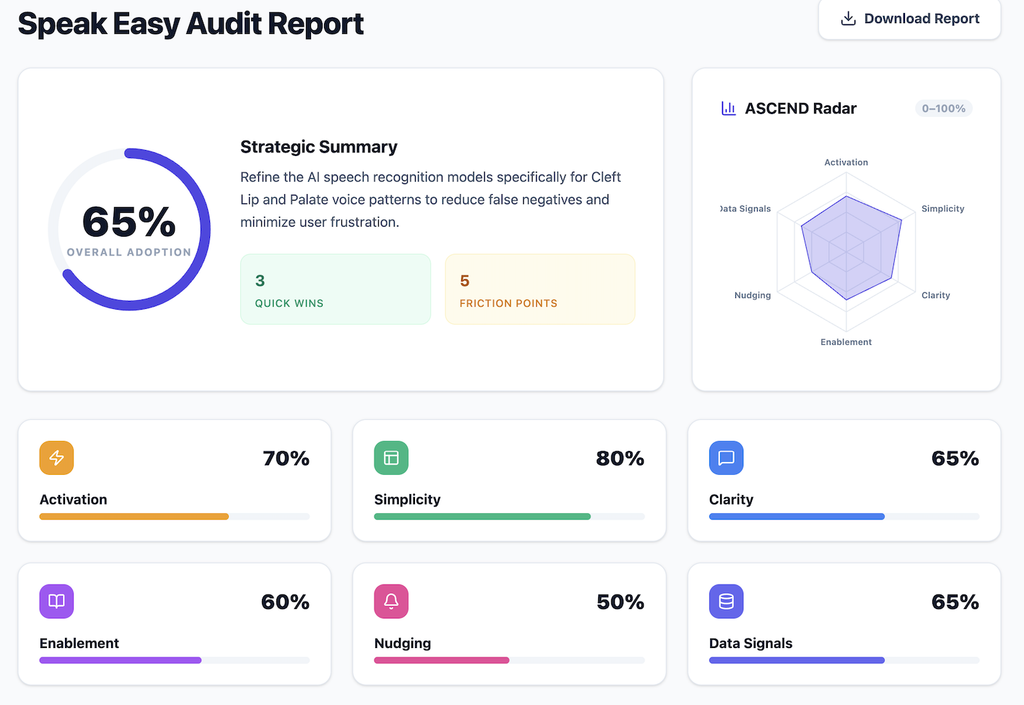
| Metric | Before | After |
|---|---|---|
| Audit Score | 48/100 | 65/100 |
| Activation | 45% | 70% |
| Simplicity | 70% | 80% |
| Clarity | 60% | 65% |
| Enablement | 40% | 60% |
| Nudging | 30% | 50% |
| Data Signals | 40% | 65% |
Expected Business and User Impact
- Faster Time-to-Value through Guest Mode onboarding.
- Reduced Day-0 abandonment caused by hardware friction.
- Increased onboarding completion and registration conversion.
- Improved retention through streaks, progress visibility, and habit loops.
- Better user confidence through real-time guidance and actionable feedback.
Final Transformation
Before
Product Exists
→ User Explores
→ User Feels Uncertain
→ User May Leave
After
User Goal
→ Guided Experience
→ Learn
→ Practice
→ Achieve Value
→ Adopt
→ Return
→ Improve
→ Advocate
My Role
Using the ASCEND™ Product Experience Framework and Adoptify™ Product Adoption Framework, I conducted a comprehensive Product Experience & Adoption Audit across the entire user journey—from discovery and onboarding to activation, adoption, retention, and growth.
My work extended beyond identifying UX and adoption challenges. I transformed audit findings into actionable experience and product design improvements that addressed both user needs and business goals.
Try speakeasy-ai-speech-therapy
Key Takeaway
1. Shift From Feature-Centric To Goal-Centric Design
2. Treat Onboarding As Learning
3. Connect UX With Adoption
4. Build Visible Progress
5. Design For Behavior Change